

People often think the hardest part about diabetes is the needles. Or the numbers. Or the devices that beep at the most inconvenient times possible (like in the middle of class when it’s dead silent, of course).
But the teens we talked to told us that sometimes the hardest part is the explaining.
Here’s the real, no-filter version of what they wish their friends understood, so they wouldn’t have to explain so much.
The beeps and the checking— it’s all just my day-to-day, not an emergency.
Maya C. sometimes gets weird looks from her friends when her alarms go off. “If my blood sugar is high or low, that doesn’t automatically mean something terrible is happening,” she said. “And when I check my phone mid-convo, grab a snack, silence an alarm, or step away for a minute, it’s ok.”
“Most of the time it’s just regular, everyday stuff.”
“Actually,” she continued, “Most of the time it’s just regular, everyday stuff. I know all the devices and alarms can seem dramatic, but I’ve usually got it under control. And if I don’t, I will definitely ask for help.”
Diabetes is part of my life, not my entire personality.
“It may sound strange, but I worry that some people only see my diabetes and don’t see the rest of me,” Henry S. explained. “Yes, I have T1D, but I’m like everyone out there. I still stress about school. I care about sports, music, random TikToks, and what’s happening in the group chat. I am very much still a regular person.”
Henry sighed, “Let’s put it this way: I think about my diabetes as an app that’s always running in the background. But for sure it’s not the headline of my life.”
You aren’t my food police.
“You know what’s the worst? When random people feel like they need to tell me what I can and can’t eat,” Maddie Y. complained. “Even when it’s coming from a good, well-meaning place, someone asking, ‘Are you allowed to eat that?’ feels super judgy.”

She gets it a lot. “The reality is that I know what I can eat. I have a plan. I count allll the carbs. I take my insulin. And diabetes doesn’t mean sugar is totally off limits. It’s a part of life and a bite of a donut is not going to kill me. I know how to manage my diet and keep my numbers in control.”
“I know what I can eat. I have a plan.”
What does she wish her friends knew? “Just hang out and eat with me. You don’t have to worry. I’ve got this,” said Maddie.
Yes, I really do need the insulin.
This is a common question the group gets. “So many people don’t understand that type 1 diabetes just…happens. I didn’t cause it by eating too much sugar. My body attacked my pancreas, and nobody knows exactly why. And type 1 can’t be reversed, or cured…at least, not yet. So I can’t ‘just not eat sugar’ or take some special herb or eat more cinnamon,” Beckett L. told us, clearly frustrated.
“There are different types of insulin and different ways to take it.”
“Unfortunately, my body doesn’t make insulin anymore. I need it to live every day. Multiple times a day. And that’s forever, or until science figures something else out,” he added.
But it’s not all bad. He sees the silver lining here. “The great news is that there are options!” Beckett said, brightening. “There are different types of insulin and different ways to take it. I’ve tried some of these options and figured out what works best for me. It’s definitely not a one-size-fits-all thing, and it’s great to have choices. Managing diabetes has made me way more responsible. If anything, I feel capable, not fragile.”
Questions are totally fine.
Abby S. agreed, “I usually don’t mind explaining diabetes because I feel like I have it under control. I actually like when my friends want to understand what’s going on with me.”
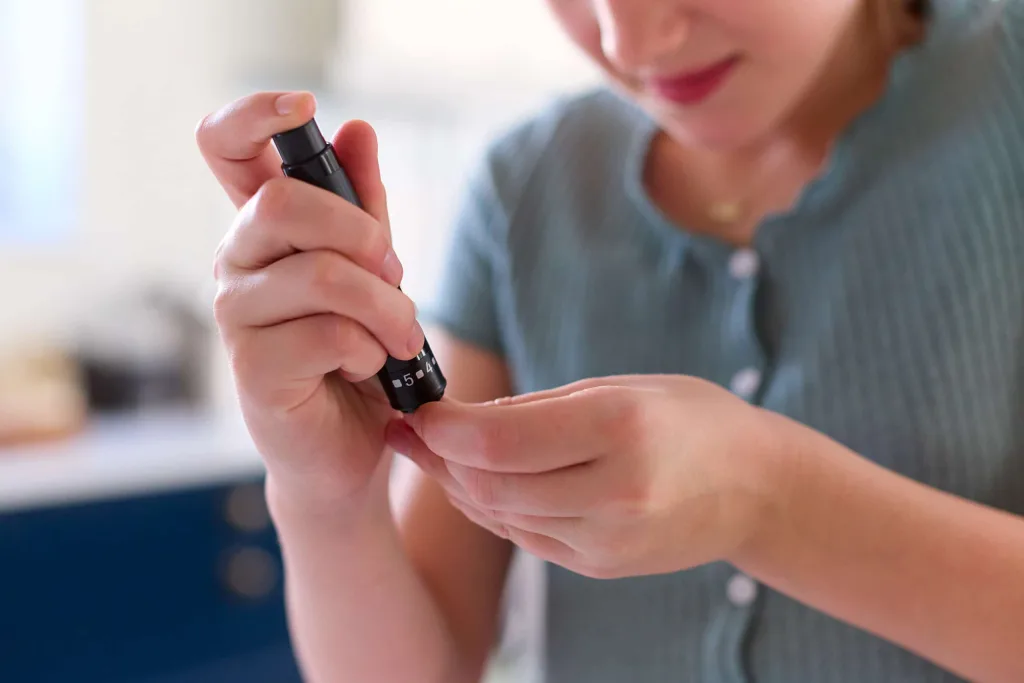
She knows it can sometimes be hard though, “I do have my limits. Since I deal with diabetes 24/7, there are days I’d rather talk about literally anything else. Literally. Sometimes I’ll just say, ‘Can I explain later?’ It doesn’t mean I’m mad. It just means I need a break, and I hope people get that.”
The real story.
At the end of the day, the More Than Type 1 community told us they just want to be treated like regular people, because that’s what they are.
Yes, they have some extra worries, devices, and routines and that’s not always easy—but with the support of their medical professionals and parents, they’ve got it all covered.
What they want from their peers is pretty simple: just understanding, trust, and regular good friendships. They want to go places. Play sports. Hang out. There’s just so much more to life than just managing diabetes.
How about you? What types of questions do you get? What do you wish your non-T1D friends knew about your T1D?